
Get rapid chemical reaction hazard data to make confident processing decisions

91% Rated Excellent Turnaround
90% Rated Excellent Response to Contact
83% Rated Excellent for Report Content
Identify hidden risks in your processes to prevent costly incidents, stay compliant and protect your people and reputation.
Recognising and embedding safeguards into your designs are the foundations of responsible engineering.
CRH testing solutions that are designed to protect your business
Sigma-HSE’s CRH testing solutions are designed to be an investment in the safety, compliance, and reputation of your business.
- Avoid the cost of inaction: obtain the data you need to prevent financial, operational, or human consequences from reactive system incidents.
- Stay compliant: ensure you comply with DSEAR and ATEX obligations and reduce the risk of enforcement action or liability.
- Protect your reputation: proactively identify and manage chemical reaction hazards, to demonstrate professionalism, responsibility, and commitment to operational excellence.
Sigma-HSE combines fast, reliable hazard data with actionable guidance to protect your people, your assets, and your business.
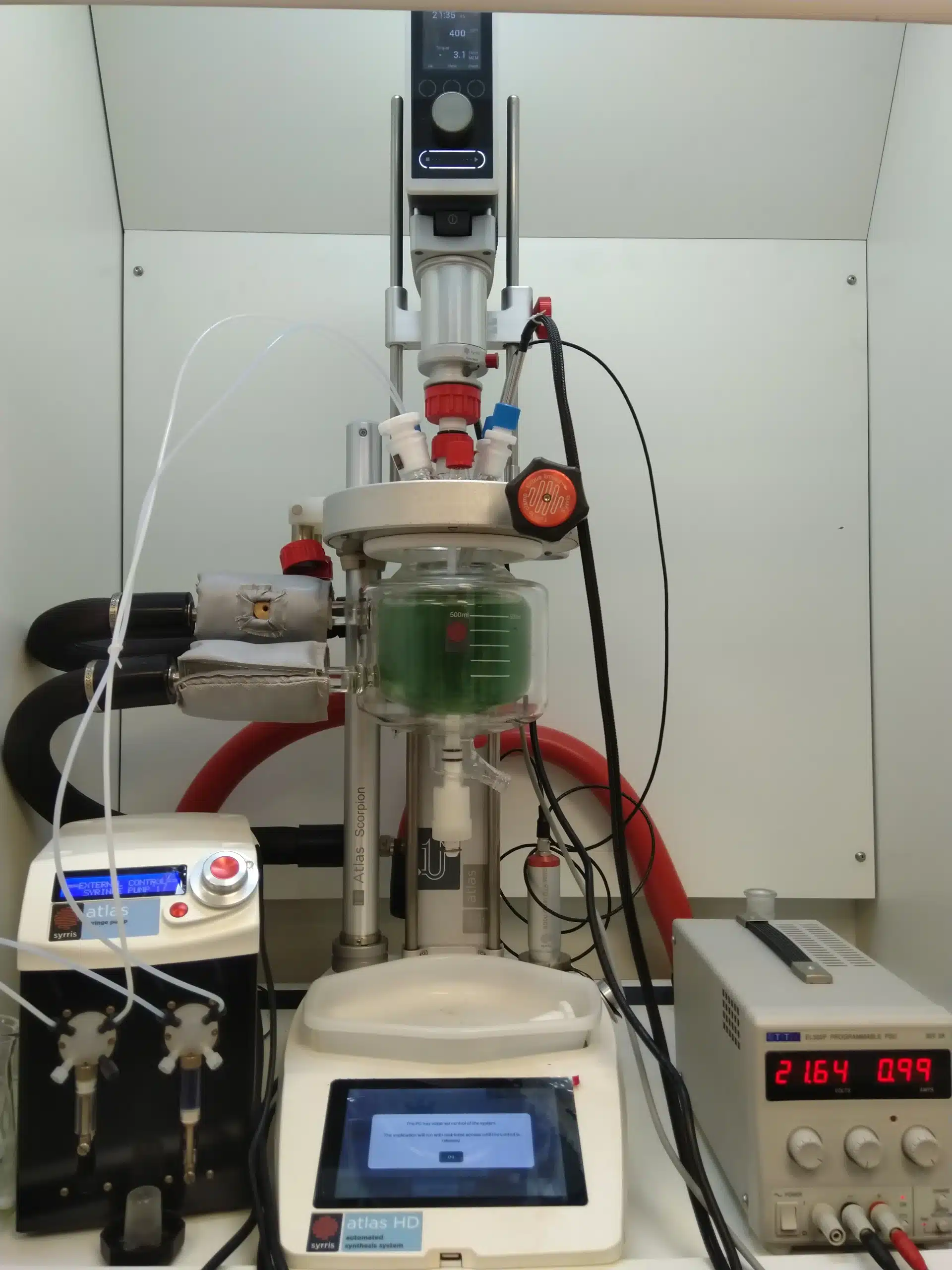

Expert Insights Designed to Safeguard Your People and Plant
Sigma-HSE can apply scientific and engineering expertise to any stage of your chemical process journey. By understanding your process journey, we ensure that our safety insights complement your operational goals and practical realities.
- Depth of expertise: we interpret complex hazard data in the context of your specific plant and reactions, providing guidance rooted in rigorous science and engineering.
- Guidance throughout your process: from our initial conversation and throughout our testing programme, every decision we make is designed to guide you through your chemical processing journey.
- Cross-Functional Support: keep project oversight by connecting specialist process safety testing and consultancy solutions from a single source.
Sigma-HSE uses chemical reaction hazard testing to give you a holistic understanding of the hazards and their consequences across your processes.
Trusted Results and Long-Term Support for Your Business
At Sigma-HSE, our chemical reaction hazard testing provides the assurance you need to make confident safety and operational decisions.
- Accredited and Rigorous: Our DSC and ARC tests are ISO 17025 accredited, and all other testing follows the same high-quality systems. As the only lab in Europe accredited for the above to tests, you can trust that every result meets the strictest standards for accuracy and reproducibility, giving you complete confidence that your data will stand up to regulatory scrutiny and internal audits.
- Proven Track Record: With thousands of process safety testing projects completed across diverse industries, we bring real-world experience to everything we do.
- Ongoing Partnership: Safety isn’t a one-time event. We’re committed to building long-term relationships, providing guidance, support, and expert data whenever you need it. You’ll always have expert support on hand to adapt as your processes and regulations evolve.
Sigma-HSE delivers chemical reaction hazard testing you can rely on. We combine accredited methods, deep experience, and a commitment to partnership to safeguard your operations.
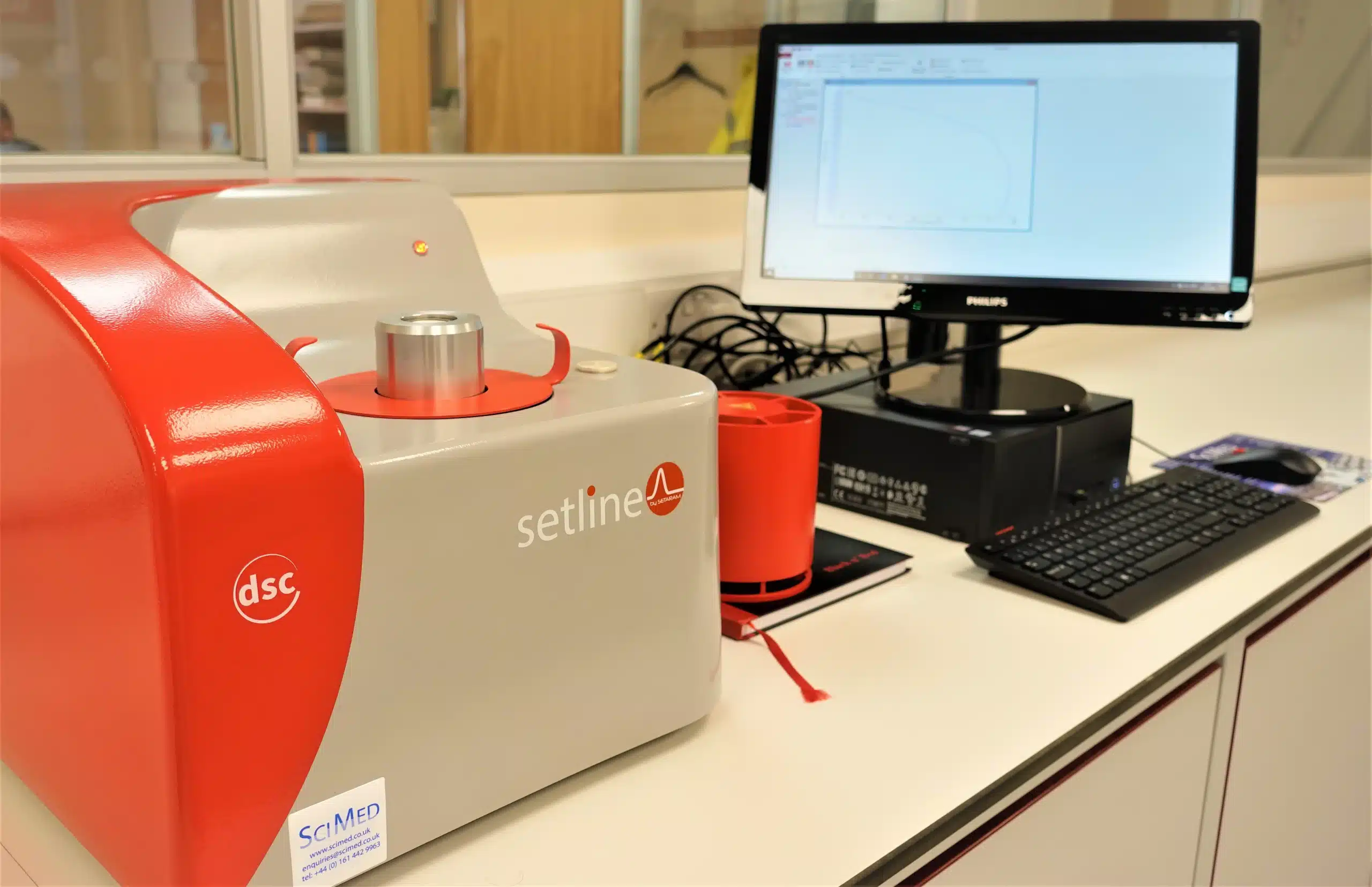
Understand the hazardous nature of your materials in 3 simple steps
Obtaining and integrating chemical reaction hazard data into your process has never been so easy.
Step 1: Contact Us
Step 2: Prepare & Ship
Step 3: Your Report
Trusted by Over +1000 Businesses
Chemical reaction hazard data you can count on
Gather data to correctly identify and mitigate process hazards without waiting months for results or having to pay tiered premiums.
Fastest UK Turnaround
Accredited QMS Data
Transparent Pricing
Post-Project Support
Discover Our Range of CRH Tests
Differential Scanning Calorimetry (DSC)
Accelerating Rate Calorimetry (ARC)
Reaction Calorimetry (RC)
Carius Tube
Advanced Reactive System Screening Tool (ARSST)
Get in touch to find out how Sigma-HSE
can help you prevent chemical reaction hazard incidents
We'll be your guide throughout your chemical reactive hazard testing journey.
Design of Emergency Relief System Supported by Chemical Reaction Hazards Assessment and Vent Sizing Screening
Chemical Brand Supported Through New Process R&D Scale-Up
“Great Service all-round. Friendly and helpful contacts, and good turnaround time.”

Chemical reaction hazard testing solutions for every industry
Prevent catastrophic failure.
Comply with the regulators.
Protect your brand reputation.
Sigma-HSE delivers accredited test data, clear insights, and ongoing support to help you chemical processes.
Frequently asked questions
What kinds of chemical processes do you analyse?
Our testing scope covers a wide range of processes where reactive chemistry creates safety risks, including:
- Exothermic Reactions – to assess heat release, onset temperatures, and runaway potential of desired and undesired reactions.
- Decomposition Reactions – to understand the thermal stability of your materials and reaction mixtures, quantifying the energy and onset temperatures of these events.
- Polymerisation Reactions – to detect uncontrolled or self-accelerating reactions.
- Mixing & Neutralisation Processes – where incompatibilities or unplanned reactions may occur.
- Scale-Up Studies – to evaluate how laboratory chemistry behaves at pilot or plant scale.
- Storage & Handling of Reactive Chemicals – to assess risks in transportation, warehousing, or bulk storage.
We can also create and undertake bespoke testing packages. Please get in touch to learn more.
How long does a typical hazard assessment take?
Timelines vary based on process complexity, data availability, and required test scope. For straightforward batch reactions with existing calorimetry data, assessments can be delivered within 10 to 15 business days.
Multistep syntheses with limited data, scale-up implications, or networked side reactions often take 2 to 3 weeks, particularly when additional laboratory testing is necessary. Faster turnaround testing is available on request.
Do you undertake any thermal hazards testing?
We do. Thermal hazards typically involve the generation of heat during a chemical or decomposition reaction, which can lead to a variety of dangerous situations. As a result, we undertake testing to provide data regarding:
- Exothermic Reactions: Reactions that release heat can rapidly increase the temperature of the reaction mixture, potentially leading to overheating and resulting in runaway reactions.
- Runaway Reactions: Uncontrolled exothermic reactions that can result in a rapid increase in temperature and pressure, leading to explosions or fires.
- Autocatalytic Reactions: Some reactions can become self-accelerating due to the production of heat, further increasing the risk of a thermal hazard.
It is essential to carefully assess the thermal properties of chemicals involved in a reaction and implement appropriate safety measures to prevent thermal hazards from occurring.
At what stages of my chemical processing journey can Sigma-HSE help?
Sigma-HSE supports you at every stage of your chemical processing journey, including early screening of new materials through to full-scale production.
At the outset, we can screen for highly energetic substances to flag potential hazards before development begins. As your synthetic routes are identified and optimised, we provide deeper thermal and reaction calorimetry data to guide safe process design. When scaling up to pilot or production scale, our adiabatic calorimetry and relief sizing data ensure you can manage thermal stability, pressure build-up, and gas release safely.
At every stage, we translate test data into practical guidance, helping you protect people, assets, and business continuity.
Does Sigma-HSE provide consultancy solutions in addition to testing?
Yes. Alongside accredited chemical reaction hazard testing (DSC & ARC), we offer consultancy support to help you interpret results, integrate safety data into your processes, and develop tailored solutions for compliance, risk reduction, and long-term operational resilience.